


Home Charging Guide
2025-12-01
I. Main Home Charging Methods
Home charging is mainly divided into two types. You can choose an appropriate method according to your device needs and charging efficiency requirements. Both methods must comply with household electrical safety standards.
1. Regular AC Charging (Slow Charging)
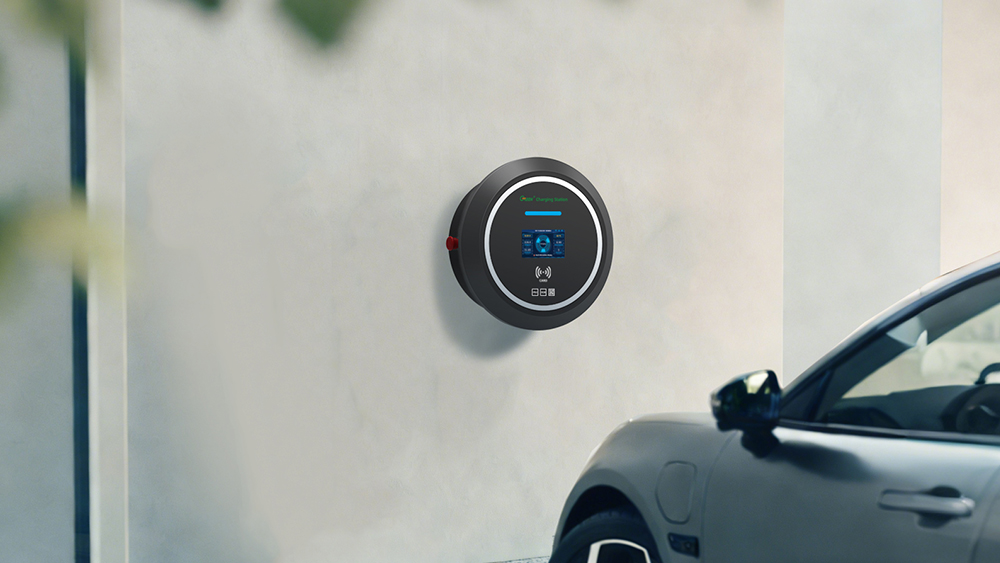
This is the most common and basic home charging method, suitable for most electric devices (new energy vehicles, electric bicycles, small household appliances, etc.). The charging equipment is usually a portable charger or a fixed wall-mounted charger, which can be used by connecting to a common 220V AC household power supply without additional circuit modification (for some high-power devices, the socket load needs to be confirmed).
Advantages: Easy installation, low cost, little impact on power grid load, suitable for long-term charging at night (e.g., charging new energy vehicles at off-peak electricity prices at night is more economical); Disadvantages: Slow charging speed, suitable for daily energy replenishment, not for emergency fast charging needs.
2. Home DC Fast Charging (Optional)
Suitable for users with high requirements for charging efficiency (such as new energy vehicle owners), it requires separate installation of a home DC fast charging pile and modification of household circuits (usually requiring 380V industrial power supply, which needs to be reported to the power company in advance).
Advantages: Fast charging speed, enabling rapid energy replenishment in a short time, close to the efficiency of public fast charging piles; Disadvantages: High installation cost, complex circuit modification, high requirements for household power grid load, suitable for users with fixed parking spaces and long-term high-frequency use.
II. Core Precautions for Home Charging
The core of home charging is safety. The following requirements must be strictly followed to avoid potential safety hazards such as circuit faults and fires.
1. Circuit and Socket Specifications
-
Special sockets that meet national standards must be used for charging. Avoid using inferior power strips, aging sockets, and strictly prohibit unauthorized wiring to prevent poor contact and short circuits.
-
High-power charging equipment (such as new energy vehicle chargers) must use a separate circuit, and avoid sharing sockets with high-power household appliances such as air conditioners and refrigerators to prevent circuit overload.
-
Regularly check whether the wires and sockets are damaged, overheated, or aging. If any problems are found, stop using them immediately and replace or repair them in a timely manner.
2. Charging Environment Requirements
-
The charging area must be dry and well-ventilated. Avoid charging in humid, closed, or high-temperature environments (such as bathrooms, closed garages without ventilation facilities) to prevent water vapor from entering the equipment and causing short circuits.
-
Avoid covering the charging equipment or the charging interface of the electric device during charging to prevent heat accumulation and overheating risks.
-
Try to avoid outdoor charging in rainy or snowy weather. If outdoor charging is necessary, use waterproof charging equipment to ensure no water enters the interface.
3. Equipment Operation Specifications
-
Before charging, confirm that the charging equipment is compatible with the interface of the electric device, check whether the interface is dirty or damaged, clean it before connecting to avoid poor contact.
-
During charging, operate in accordance with the equipment manual: first connect the device end, then connect to the power supply; after charging, first disconnect the power supply, then pull out the device interface to avoid electric sparks.
-
Avoid long-term overcharging (such as continuing to charge an electric bicycle for more than 12 hours after it is fully charged) to prevent battery overcharging, which will shorten the battery life and increase potential safety hazards.
-
Do not use non-original or incompatible charging equipment to avoid damaging the equipment or causing safety problems due to mismatched charging voltage and current.
4. Daily Maintenance and Emergency Handling
-
Regularly clean the charging interface and the surface of the charging equipment to avoid dust and dirt accumulation, which will affect charging efficiency and safety.
-
If abnormal conditions such as overheating, abnormal noise, or peculiar smell occur during charging, immediately disconnect the power supply, stop charging, check for equipment faults, and contact professional personnel for maintenance if necessary.
-
A fire extinguisher (dry powder fire extinguisher is preferred) should be equipped at home to deal with sudden fire hazards, and the emergency power-off process should be familiarized.
III. Frequently Asked Questions
1. Will home charging affect household electrical safety?
As long as standard-compliant charging equipment is used, wiring is standardized, and overload and unauthorized wiring are avoided, home charging will not affect household electrical safety; it is recommended that users of high-power charging equipment consult the power company in advance to confirm whether the household power grid load is compatible.
2. Is charging at night more economical?
Yes, most regions implement peak-valley electricity prices. Nighttime (usually 23:00 to 7:00 the next day) is the off-peak electricity price period. Charging at this time can reduce electricity costs, especially suitable for long-term charging of high-power devices such as new energy vehicles.
3. Do charging devices need regular maintenance?
Yes, it is recommended to check the charging equipment, wires, and sockets every 3-6 months, focusing on whether there is aging, damage, or overheating. A comprehensive inspection by professional personnel can be carried out every year to ensure the normal operation of the equipment.
Summary: The core of home charging is "safety compliance and scientific adaptation". Choose the appropriate charging method according to your own equipment needs, strictly follow the operation specifications, and do a good job in daily maintenance. This can not only ensure charging safety but also extend the service life of equipment and batteries.
Charging Principle of Charging Piles

